A land of stories.
A place for yours.
Explore Iraq’s timeless places, living culture, and generous people.
Real stories. Deeper connections. A more human way to travel.
IRAQ,
AND ALWAYS
A GOOD STORY.
PLACES.
PEOPLE.
A WARM WELCOME.
A FEW PLACES TO BEGIN
Extraordinary places.
Unforgettable stories.
Ancient cities, living traditions, and landscapes like no other.
Discover a different side of Iraq.
01
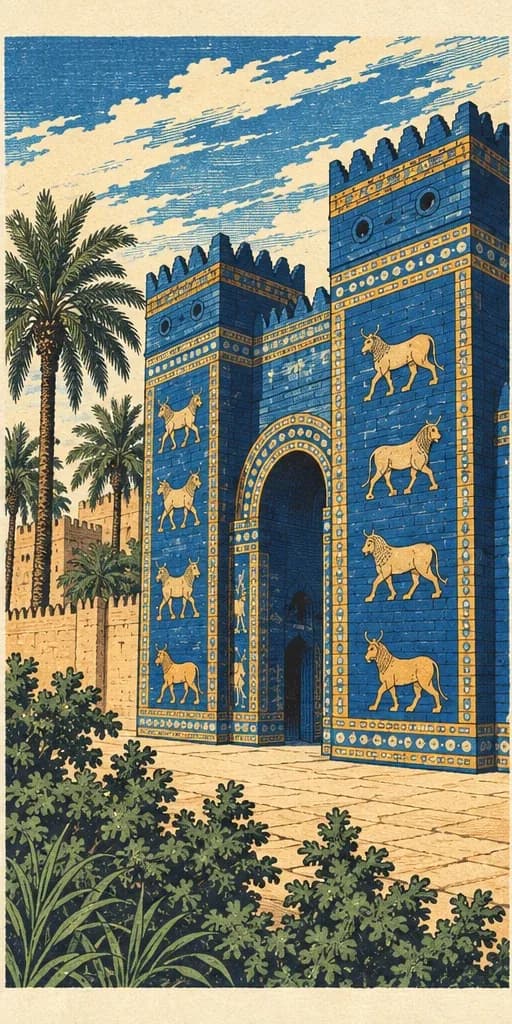
Ishtar Gate,
Gateway of Babylon.
A story written in blue. Discover the beauty and wonder of ancient Iraq.
BABYLON
02
The Iraqi Marshes,
Life at a slower pace.
Reed houses, quiet waterways, and a welcome that feels like coming home.
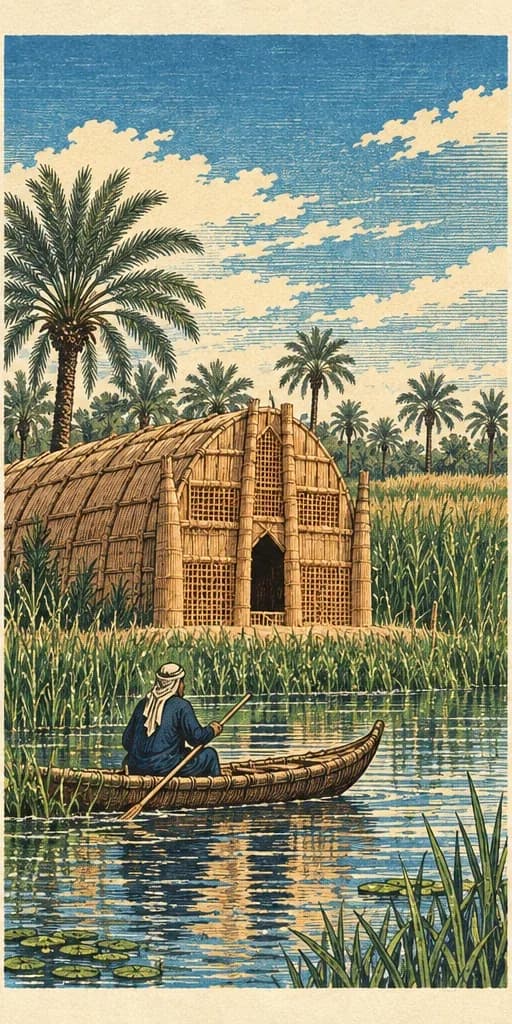
SOUTHERN IRAQ
03
Baghdad,
A city with a soul.
Wander through old streets, shared stories, and the everyday poetry of a city.
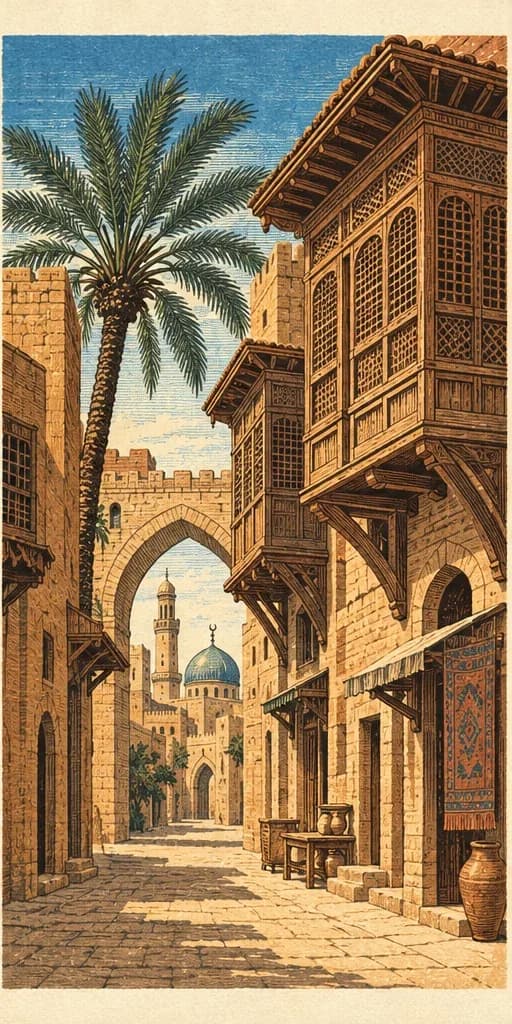
BAGHDAD
Not just places to see. Places to feel.
WAYS TO TRAVEL
Follow what
pulls you.
Iraq is not one story. It is faith, food, water, music, and craft —
threads you can pull in any order.
Pick a thread.
مُضــيـــف
SUGGESTED JOURNEYS
A shape for
your first week.
Three routes to borrow, adapt, or ignore.
Every journey here can begin anywhere.
01
The first cities,
Five days in Mesopotamia.
The oldest cities in the world, strung north to south along the rivers.
- Baghdad — Capital city. Founded in 762 as the round city of the Abbasids. The Tigris still sets the pace here. Worth seeing: The Abbasid palace on the river, and the copper market at dusk.
- Babylon — Ancient city. Capital of the Babylonian empire, with the Ishtar Gate and the rebuilt palace of Nebuchadnezzar II. Worth seeing: The Ishtar Gate reconstruction and the processional way at first light.
- Ur — Ancient city. A Sumerian city and the birthplace of Abraham. Its ziggurat still stands above the plain. Worth seeing: The ziggurat stairway and the royal tombs — go early, there is no shade.
- Uruk — Ancient city. Uruk gave the world its first writing and its first epic. In legend, Gilgamesh ruled here. Worth seeing: The White Temple platform and the first clay tablets.
- Nineveh — Ancient city. Assyrian capital on the edge of Mosul, known for its palaces and the library of Ashurbanipal. Worth seeing: The Mashki Gate, and the reliefs in the Mosul Museum nearby.
5 days
02
The marsh road,
Three days on the water.
Reed houses, mashoof boats, and nights that stay warm long after dark.
- Nasiriyah — Gateway town. The usual way into the marshes, halfway between Baghdad and Basra. Worth seeing: The Ziggurat of Ur is an hour away — leave before sunrise.
- Chibayish — Marsh town. Reed houses, mashoof boats, and the clearest view of life lived on the water. Worth seeing: A mashoof ride through the reeds at sunset, and the fish grilled on the bank.
- The Hammar Marshes — Wetland. The largest of the southern marshes, and the quickest to come back when the water does. Worth seeing: The birdlife in the early morning; the marshes sit on the migration route.
- The Hawizeh Marshes — Wetland. The marsh that held its water through the dry years, on the road down to Basra. Worth seeing: Buffalo herds, and the reed guest houses still built by hand.
3 days
03
Baghdad on foot,
Two days, no car.
Old streets, booksellers, and evenings that end on the riverbank.
- Mutanabbi Street — Booksellers’ street. Baghdad’s book street, named for the poet, and busiest on a Friday morning. Worth seeing: Friday morning, when the stalls fill the whole street.
- Old Baghdad — Historic quarter. Wooden balconies, narrow lanes, and the glass of tea that starts most conversations. Worth seeing: The wooden shanasheel balconies, best seen from the opposite bank.
- The Tigris corniche — Riverside. Abu Nuwas and the riverbank, where the city comes out to walk at dusk. Worth seeing: Sunset, when the riverbank fills with families.
- Kadhimiya market — Historic market. The market around the shrine: copper, sweets, and a crowd that never quite thins. Worth seeing: The gold souk and the sweet shops around the shrine.
2 days
WHAT'S ON
The year has
a rhythm.
Iraq reads better by season. These are windows, not fixed dates —
check locally before you book.
- MARErbil & Duhok
Nowruz in the mountains
CultureThe new year kept with fires, picnics, and new clothes across the Kurdish north.
- APR–MAYChibayish & the Hammar
The marshes fill
NatureThe water rises, the reeds come back, and the mashoof returns to the channels.
- SEP–OCTBasra & the south
Date harvest
FoodThe palms come down, and the whole south smells of sugar for a fortnight.
- NOVBaghdad
The Baghdad book fair
BooksA week of publishers and poets, spilling out along Mutanabbi Street.
THE JOURNAL
Longer stories,
written slowly.
Field notes, recipes, and conversations from the places we send you.
No listicles.
FIELD NOTES
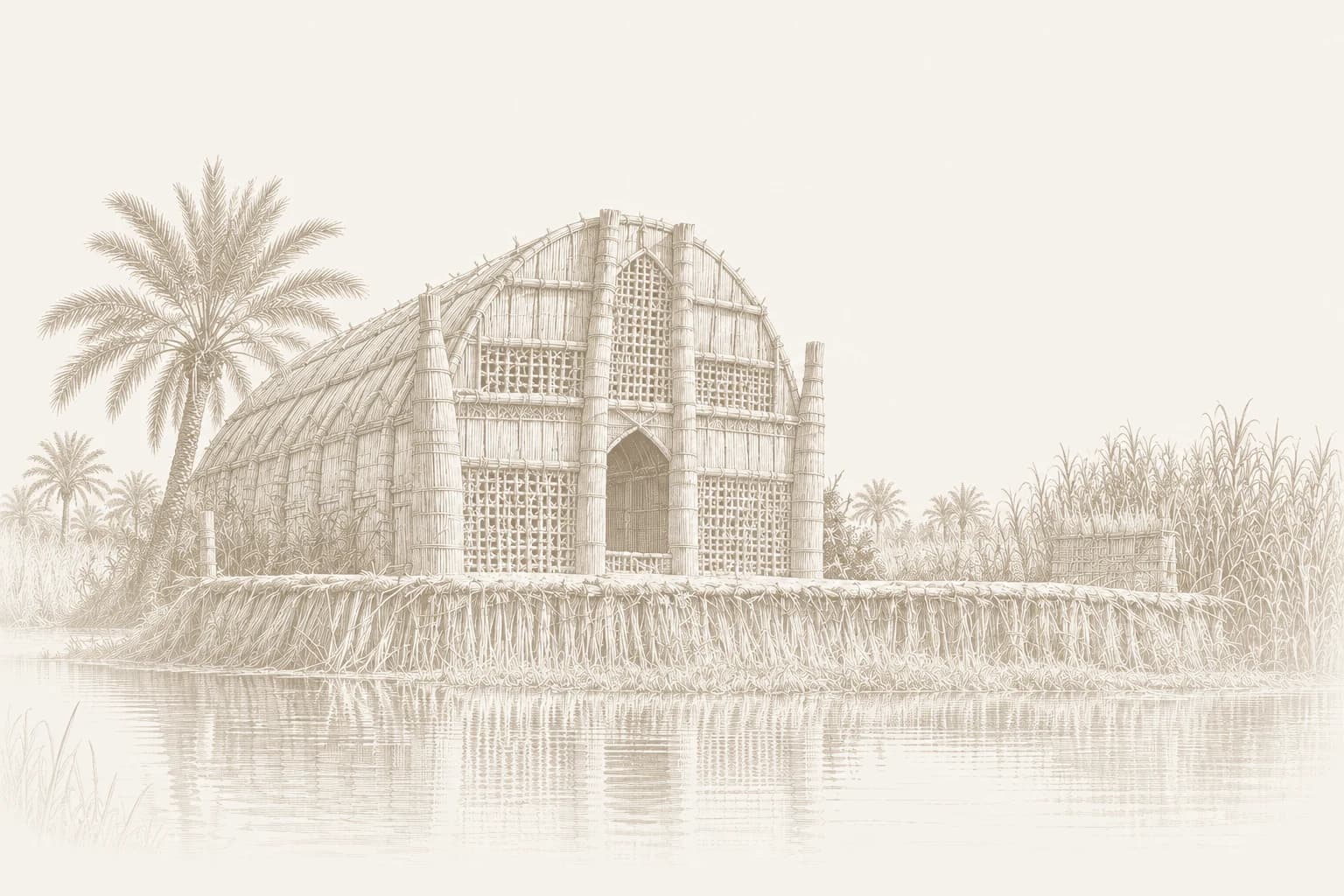
What a mudhif is actually for
The reed house is not a dwelling. It is a guest room, a council chamber, and a stage.
6 min
FROM THE WATER
Learning to pole a mashoof
Standing up in a narrow boat is the easy part. Steering it is the whole apprenticeship.
4 min
IN THE KITCHEN
Masgouf, and the argument about how to cook it
Every family has the correct method, and every other family is doing it wrong.
5 min
ON FOOT
Mutanabbi Street on a Friday morning
A street of booksellers, rebuilt more than once, that fills up the same way every week.
7 min
FROM THE WATER
What the marshes lost, and what came back
The water was taken away on purpose, and then let back in. Not everything returned.
8 min
IN THE GROUND
How to read a tell
A hill in southern Iraq is usually not a hill. It is a city, compressed.
6 min
THE SPIRIT OF MUDHEEF
Every journey begins
with a welcome.
Inspired by the mudhif — a place to gather, share stories, and welcome guests.
We believe the best way to discover Iraq is to feel at home in it.